- November 7, 2026
- Posted by: Global Peace Welfare Foundation
- Category: Ranjha Maira Hospital
Bringing Healthcare Closer to the Communities That Need It Most
Healthcare is a fundamental human need, yet many families living in rural Pakistan continue to face significant barriers when seeking medical attention. For residents of Ranjha Maira, District Jhelum, Punjab, accessing reliable healthcare can involve travelling long distances, arranging transportation and managing medical expenses that may place additional pressure on already struggling households.
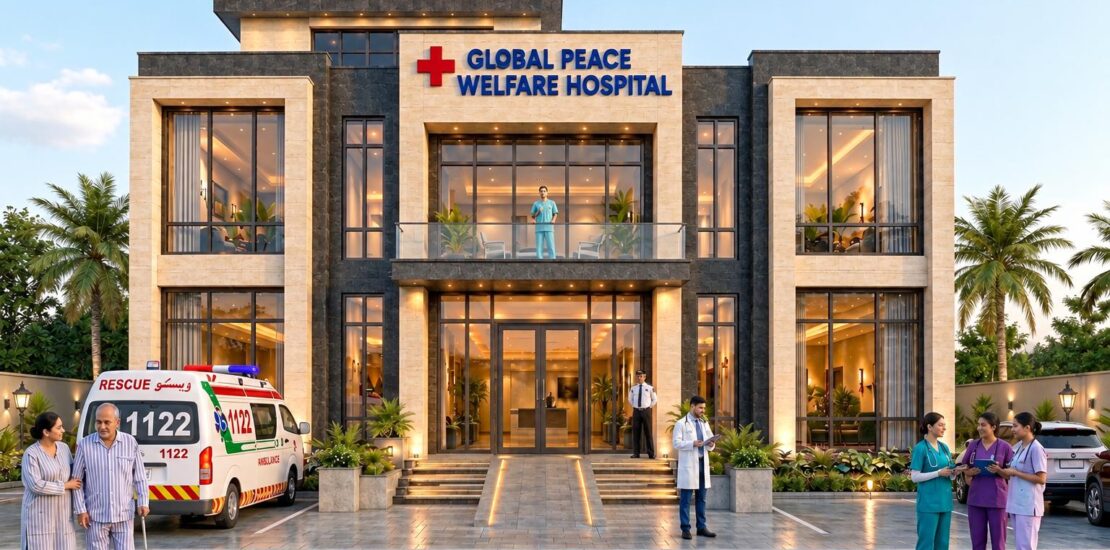
Recognising these challenges, Global Peace Welfare Foundation (GPWF) is working towards the construction of the Ranjha Maira Welfare Hospital in Jhelum, Punjab, Pakistan — a humanitarian initiative intended to improve access to essential medical services and support the wellbeing of underserved rural communities.
As a social welfare and humanitarian organisation committed to peace, human dignity, healthcare, education, community development and equal opportunities, GPWF believes that access to essential services should not depend on a person’s income or where they live.
The Ranjha Maira Welfare Hospital project represents an important step towards that vision: building a healthier, stronger and more resilient community through improved access to medical care.
Support the mission. Help build a healthier future for Ranjha Maira.
Learn more about the project: https://globalpeacewelfarefoundation.com/ranjha-mehra-welfare-hospital-jehlam/
Why Does Ranjha Maira Need a Welfare Hospital?
For people living in rural areas, a medical emergency can quickly become a serious challenge when healthcare facilities are difficult to reach. A family may have to arrange transport, travel to another town and find the money needed for consultations, medicines and investigations.
These difficulties can particularly affect pregnant women, children, older people and individuals living with long-term health conditions.
The need for accessible healthcare in Ranjha Maira highlights several important community challenges.
1. Limited Access to Essential Medical Services
Without a nearby, permanent healthcare facility, residents may struggle to obtain timely medical advice, routine check-ups and appropriate treatment. Delays can make some health problems more difficult to manage.
A local welfare hospital could help bring essential healthcare services closer to residents and encourage people to seek medical attention when they need it.
2. Financial Pressure on Low-Income Families
Healthcare expenses extend beyond the cost of treatment. Transport, diagnostic tests, medicines and repeated visits to distant facilities can create a considerable financial burden.
For families already managing limited household incomes, these costs can make accessing healthcare even more difficult.
GPWF’s hospital initiative aims to help address these barriers by developing a local healthcare resource for the community, with affordability and the needs of underserved families central to its humanitarian purpose.
3. Maternal and Child Healthcare
Pregnant women, newborns and young children need appropriate medical support, preventive care and timely referrals when complications arise.
Improving access to maternal and child healthcare can help families seek professional advice earlier and support healthier outcomes. A local facility could also provide opportunities for health education, vaccination programmes and guidance on preventive care, subject to the hospital’s operational capacity.
4. Emergency Care and First Aid
Medical emergencies require prompt assessment and appropriate treatment. Distance, transport difficulties and delays in reaching medical facilities can increase risks for patients.
The proposed Ranjha Maira Welfare Hospital is intended to include basic emergency and first aid services, helping strengthen local access to initial medical attention. Serious conditions requiring specialist treatment would still need appropriate referral and emergency transport arrangements.
5. Preventive Healthcare and Community Awareness
Healthcare is not only about treating illness after it develops. Prevention, early detection and health education are also essential to building healthier communities.
Through appropriate preventive health initiatives, the proposed hospital could help raise awareness of common health conditions, encourage routine check-ups and promote better understanding of hygiene, nutrition, vaccination and the management of chronic diseases.
Ranjha Maira Welfare Hospital: A Community-Focused Healthcare Initiative
The construction of the Ranjha Maira Welfare Hospital reflects GPWF’s commitment to practical, community-centred humanitarian development.
Rather than focusing solely on short-term assistance, the project seeks to establish a lasting healthcare resource that can serve local residents over time.
According to the Foundation’s project outline, the proposed hospital is intended to include the following services:
Outpatient Department (OPD)
An outpatient department could provide consultations, initial assessments and advice for patients who do not require hospital admission.
Accessible outpatient services can help residents seek medical attention for common illnesses and ongoing health concerns closer to home.
Basic Emergency and First Aid Services
The proposed facility aims to provide basic emergency assessment and first aid, supporting the initial care of patients who need urgent attention.
The availability of these services will depend on the hospital’s completed facilities, trained personnel, equipment and operational arrangements.
Maternal and Child Healthcare
Maternal and child health services are an important part of improving family wellbeing. Appropriate services could support antenatal advice, routine maternal and child health assessments, early identification of health concerns and referrals when additional care is required.
Vaccination and Preventive Health Programmes
Preventive health initiatives can help communities understand the importance of immunisation, routine health checks and early medical intervention.
The proposed hospital could provide a local setting for vaccination and health awareness programmes in line with applicable medical guidance and service arrangements.
Pharmacy and Basic Laboratory Services
Access to prescribed medicines and suitable diagnostic testing can help support effective patient care.
The project outline includes a pharmacy and basic laboratory services among the intended facilities. Their availability will depend on the hospital’s development, licensing, staffing and operational readiness.
Together, these proposed services represent an opportunity to strengthen the local healthcare infrastructure and help residents access essential medical support closer to their homes.
How the Hospital Could Transform Lives in the Community
The potential impact of the Ranjha Maira Welfare Hospital extends beyond the hospital building itself.
Better Access to Healthcare
A local facility could reduce the distance many residents need to travel for basic medical consultations and appropriate initial treatment.
Support for Vulnerable Families
Affordable and accessible healthcare can make a meaningful difference to families who struggle to meet medical expenses, particularly those with children, older relatives or ongoing health needs.
Improved Maternal and Child Health
Access to appropriate medical guidance, preventive care and timely referrals could help mothers and children receive support when they need it.
Earlier Identification of Health Problems
Routine consultations and suitable basic investigations can help identify potential health concerns earlier, allowing patients to seek further assessment and treatment where necessary.
Stronger Community Wellbeing
When healthcare becomes more accessible, families may be better placed to protect their health, maintain their daily activities and participate in community life.
These are the intended benefits of the initiative. Their realisation will depend on completing the hospital, establishing sustainable funding and ensuring that qualified staff, essential equipment and appropriate medical services are available.
Global Peace Welfare Foundation: Turning Humanitarian Values into Action
Global Peace Welfare Foundation (GPWF) is a social welfare and humanitarian organisation committed to promoting peace, human dignity, social welfare, education, healthcare, community development and equal opportunities for vulnerable and underserved communities.
The Foundation’s approach recognises that sustainable community development requires more than temporary relief. It also requires practical initiatives that respond to local needs and create opportunities for long-term improvement.
The Ranjha Maira Welfare Hospital project brings this commitment into focus by addressing a vital need within a rural community: access to healthcare.
By working towards the development of a permanent medical facility, GPWF aims to help create an environment in which families can seek appropriate healthcare closer to home and vulnerable residents have better opportunities to receive the support they need.
Discover more about the Foundation and its work:
https://globalpeacewelfarefoundation.com/
Help Build the Ranjha Maira Welfare Hospital
Building a welfare hospital requires more than land and construction materials. It requires collective commitment, financial resources, medical equipment, qualified healthcare professionals and long-term operational support.
There are several ways individuals, businesses, philanthropists and community organisations can support the project’s mission.
Financial contributions: Donors can enquire about supporting approved hospital construction and development costs.
Medical equipment sponsorship: Healthcare suppliers, businesses and philanthropic organisations can discuss supporting suitable medical equipment and essential hospital infrastructure.
Corporate social responsibility (CSR): Companies can explore partnerships that contribute to rural healthcare development and wider community welfare.
Professional and institutional partnerships: Medical professionals, healthcare institutions and relevant organisations can enquire about opportunities to contribute expertise, equipment or other appropriate support.
Community awareness: Sharing the Foundation’s project with friends, family, community networks and potential supporters can help increase awareness of the need for accessible rural healthcare.
Before contributing, prospective donors should contact the Foundation to confirm its authorised donation channels, current construction requirements and how contributions will be allocated.
Every contribution should be made through verified channels and managed with appropriate accountability. The Foundation’s ability to complete the project and deliver healthcare services will depend on available resources, construction progress and sustainable operational planning.
A Shared Responsibility for a Healthier Future
Access to healthcare should be a realistic possibility for every family, including those living in remote and underserved communities.
The Ranjha Maira Welfare Hospital project offers an opportunity to address local healthcare challenges through a long-term humanitarian initiative. By working towards improved access to medical consultations, basic emergency care, maternal and child healthcare and preventive health services, Global Peace Welfare Foundation hopes to help create a healthier future for the people of Ranjha Maira and surrounding rural communities.
Achieving this vision requires collaboration between donors, local communities, businesses, healthcare professionals and other supporters who believe that every human life deserves dignity and care.
Together, we can help turn the vision of accessible rural healthcare into a lasting community resource.
Support Global Peace Welfare Foundation Today
Help raise awareness of the Ranjha Maira Welfare Hospital project and explore ways to support its development.
Learn more about the hospital project:
https://globalpeacewelfarefoundation.com/ranjha-mehra-welfare-hospital-jehlam/
Visit Global Peace Welfare Foundation:
https://globalpeacewelfarefoundation.com/
Together, we can build hope, strengthen communities and work towards a healthier future for rural Pakistan.